Litfield Community Offerings
Guests
Upcoming and Past guests to Field Notes every month
Monthly Live Events
Find out about our monthly live events
Class Recordings
In depth descriptions of Danusha's past class recordings included in the subscription
Litfield Community Guests
New voices are on the way. Keep an eye on this space as we announce more guests!
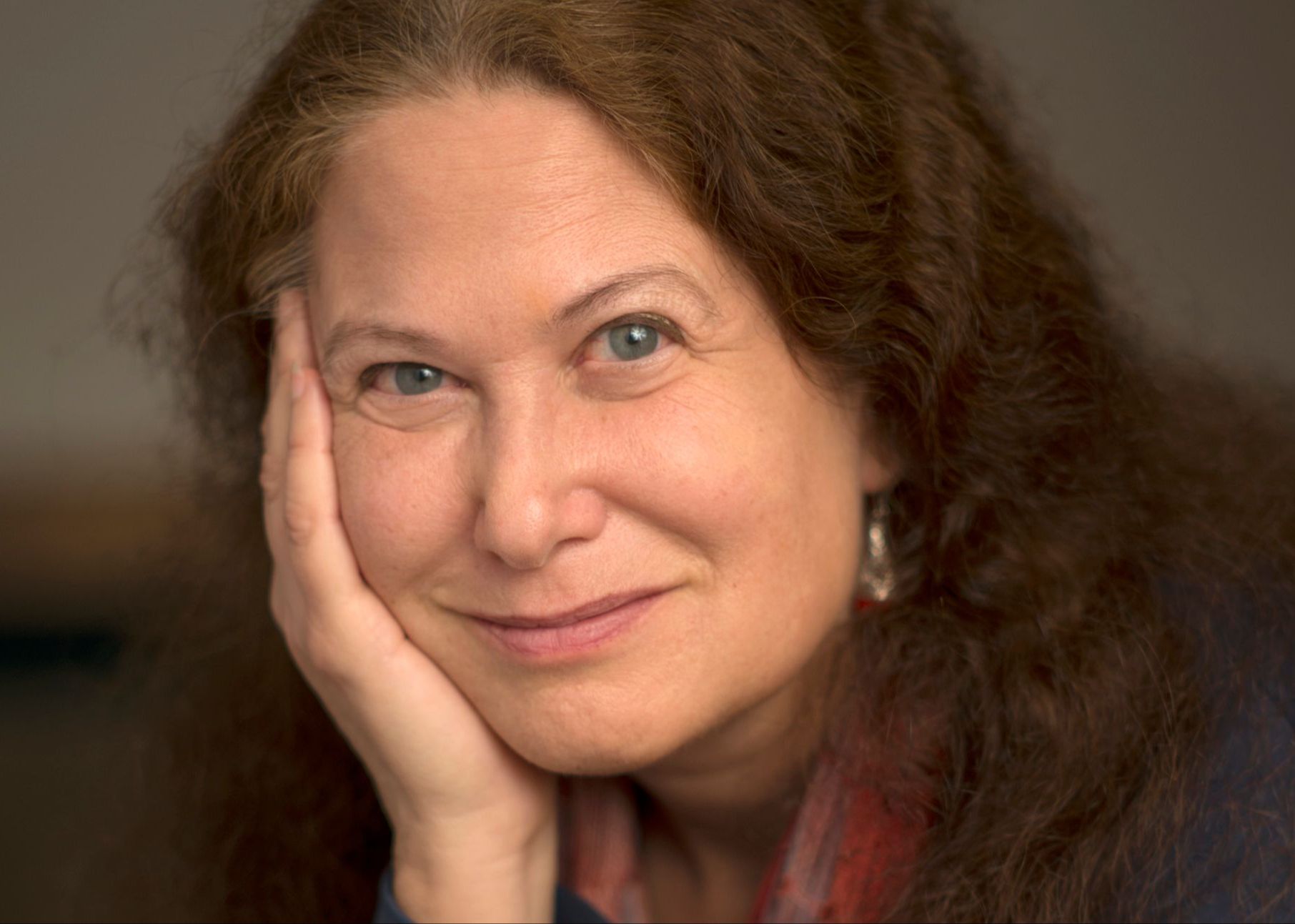
Jane Hirshfield
Jane Hirshfield, in poems described by The Washington Post as belonging “among the modern masters” and in The New York Times Magazine as “among the most important poetry in the world today,” addresses the urgent immediacies of our time. Ranging from the political, ecological, and scientific to the metaphysical, personal, and passionate, Hirshfield praises the radiance of particularity and reckons the consequence of the daily. Her poems and essays traverse the crises of the biosphere, questions of social justice, and the myriad interior quandaries of heart, mind, and spirit. Her work lives at the intersection of facts and imagination, desire and loss, impermanence and beauty— all the dimensions of our shared existence within what one poem calls “the pure democracy of being.”
Her ten poetry books include the newly published The Asking: New & Selected Poems (September, 2023); Ledger (March, 2020), The Beauty, long-listed for the 2015 National Book Award; Given Sugar, Given Salt, a finalist for the 2001 National Book Critics Circle Award; and After, named a “best book of 2006” by The Washington Post, The San Francisco Chronicle, and England’s Financial Times. Her two collections of essays, Nine Gates: Entering the Mind of Poetry (1997) and Ten Windows: How Great Poems Transform the World (2015), have become classics in their field, as have her four books collecting and co-translating the work of world poets from the past: The Ink Dark Moon: Love Poems by Komachi & Shikibu, Women of the Ancient Japanese Court; Women in Praise of the Sacred: 43 Centuries of Spiritual Poetry by Women; Mirabai: Ecstatic Poems; and The Heart of Haiku, on Matsuo Basho, named an Amazon Best Book of 2011.
Hirshfield’s other honors include fellowships from the Guggenheim and Rockefeller Foundations, the National Endowment for the Arts, and the Academy of American Poets; Columbia University’s Translation Center Award; The Poetry Center Book Award, The California Book Award, the Northern California Book Reviewers Award, the Donald Hall-Jane Kenyon Prize in American Poetry, the Zhongkun International Poetry Award, and the Fred Cody Lifetime Achievement Award. In 2012, she was elected a Chancellor of the Academy of American Poets. In 2017, in conjunction with reading to an estimated 50,000 people on the Washington Mall at the first March For Science, she co-founded the Poets For Science traveling installation, housed with the Wick Poetry Center at Kent State University. In 2019, she was elected into the American Academy of Arts and Sciences. Her work appears in The New Yorker, The Atlantic, The Times Literary Supplement, The New York Review of Books, Poetry, Orion, and ten editions of The Best American Poems.
Hirshfield has taught at Stanford University, UC Berkeley, Bennington College, Queen's University Belfast, and elsewhere. Her frequent appearances at universities, writers’ conferences, symposia and festivals in this country and abroad are highly acclaimed. Her poems and essays have been translated into over fifteen languages and her work has been set by numerous composers, including John Adams and Philip Glass. Her TED-ED animated lesson on metaphor has received over 1.5 million views.
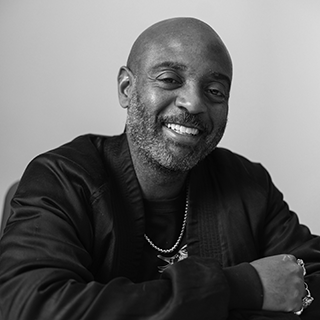
Reginald Dwayne Betts
Reginald Dwayne Betts is the author of the poetry collections Doggerel (W. W. Norton, 2025); Redaction (W. W. Norton, 2023), with visual artist Titus Kaphar; Felon (W. W. Norton, 2019), winner of a 2020 NAACP Image Award and an American Book Award; Bastards of the Reagan Era (Four Way Books, 2015); and Shahid Reads His Own Palm (Alice James Books, 2010), which won the 2010 Beatrice Hawley Award.
Betts is also the recipient of a 2019 Creative Writing Fellowship from the National Endowment for the Arts. He was an Emerson Fellow at New America, and is a PhD candidate at Yale Law School. He lives in New Haven.
Dean Rader
Dean Rader is an award-winning poet whose work explores identity, sustainability, art, and global change. His debut collection, Works & Days (2010), won the T.S. Eliot Prize for Poetry, while Landscape Portrait Figure Form (2014) was named a standout poetry book of the year by the Barnes & Noble Review. His poetry has appeared in Best American Poetry 2012, and his widely shared poem “America I Do Not Call Your Name without Hope” was published by the San Francisco Chronicle in 2016.
His most recent collection, Before the Borderless: Dialogues with the Art of Cy Twombly (2023), pairs his poems with Twombly’s artwork and was praised by the Los Angeles Review of Books as “stunning.” Rader’s achievements have been supported by fellowships from Princeton, Harvard, Art Omi, the Headlands Center for the Arts, and MacDowell.
Rader was raised in Weatherford, Oklahoma. He earned a BA at Baylor University, as well as an MA and a PhD in comparative literature from the State University of New York at Binghamton. He is a professor at the University of San Francisco, and he lives in San Francisco with his wife and two sons.
Kelli Russell Agodon
Kelli Russell Agodon is the author of four collections of poems, including the award-winning Dialogues with Rising Tides (Copper Canyon Press, 2021), Hourglass Museum, and Letters from the Emily Dickinson Room, Foreword INDIES Book of the Year for 2010,and a Top 10 GoodReads Best Books of the Year in Poetry. Her newest poetry collection, Accidental Devotions, was just published by Copper Canyon Press. It's a book full of spirits and spirituality, desire and grief, smartphones and Emily Dickinson with poems that ask—what do we accidentally give our attention to? Kelli is the author of five books of poetry and the cofounder of Two Sylvias Press. She teaches in Pacific Lutheran University’s low-residency MFA program, the Rainier Writing Workshop, and cohosts the poetry series Poems You Need with Melissa Studdard. Kelli lives in a small seaside town in Washington State, where she writes poems, paddleboards, and occasionally keeps company with the ghosts.
Jamaica Baldwin
Jamaica Baldwin (she/her) is a poet and educator originally from Santa Cruz, CA. Her first book, Bone Language, was published by YesYes Books in June 2023. Her work has appeared in Guernica, World Literature Today, The Adroit Journal, Prairie Schooner, Poetry Northwest, and The Missouri Review, among others. Her accolades include a 2023 Pushcart Prize, a National Endowment for the Arts Fellowship, a RHINO Poetry editor's prize, a Glenna Luschei Prairie Schooner Award, as well as the San Miguel de Allende Writer's Conference Contest Poetry Award.
Jamaica has also served as a community based teaching artist with Writers in the Schools - Seattle, Louder Than a Bomb - Great Plains (an affiliate of Nebraska Writers Collective), and taught a generative writing workshop for women in Guatemala. Her writing has been supported by Aspen Words, Storyknife, Hedgebrook, Furious Flower, and the Jack Straw Writers program. Jamaica has a PhD from the University of Nebraska -Lincoln in English with a focus on poetry and Women's and Gender Studies and she is currently an Assistant Professor in the Department of Writing at Ithaca College in New York.
Our Past Guests (Recordings Available)
Kim Addonizio
Kim Addonizio is the author of nine poetry collections, two novels, two story collections, and two books on writing poetry: The Poet’s Companion (with Dorianne Laux) and Ordinary Genius. Her poetry collection Tell Me was a finalist for the National Book Award. She also has two word/music CDS: Swearing, Smoking, Drinking, & Kissing (with Susan Browne) and My Black Angel, the companion to My Black Angel: Blues Poems and Portraits, a collaboration with woodcut artist Charles D. Jones. Her poetry has been translated into several languages including Spanish, Arabic, Italian, and Hungarian. Collections have been published in China, Spain, Mexico, Lebanon, and the UK. Addonizio’s awards include two fellowships from the NEA, a Guggenheim, two Pushcart Prizes, and other honors. Her latest collection is Exit Opera (W.W. Norton).

Ellen Bass
Ellen Bass’s most recent collection, Indigo, was published by Copper Canyon Press in 2020. Her other poetry books include Like a Beggar, The Human Line, and Mules of Love. Her poems appear frequently in The New Yorker, American Poetry Review, and many other journals. Among her awards are Fellowships from the Guggenheim Foundation, The NEA, and The California Arts Council, The Lambda Literary Award, and four Pushcart Prizes. She co-edited the first major anthology of women’s poetry, No More Masks!, and her nonfiction books include the groundbreaking The Courage to Heal: A Guide for Women Survivors of Child Sexual Abuse and Free Your Mind: The Book for Gay, Lesbian and Bisexual Youth. A Chancellor Emerita of the Academy of American Poets, Bass founded poetry workshops at Salinas Valley State Prison and the Santa Cruz, California jails, and teaches in the MFA writing program at Pacific University.
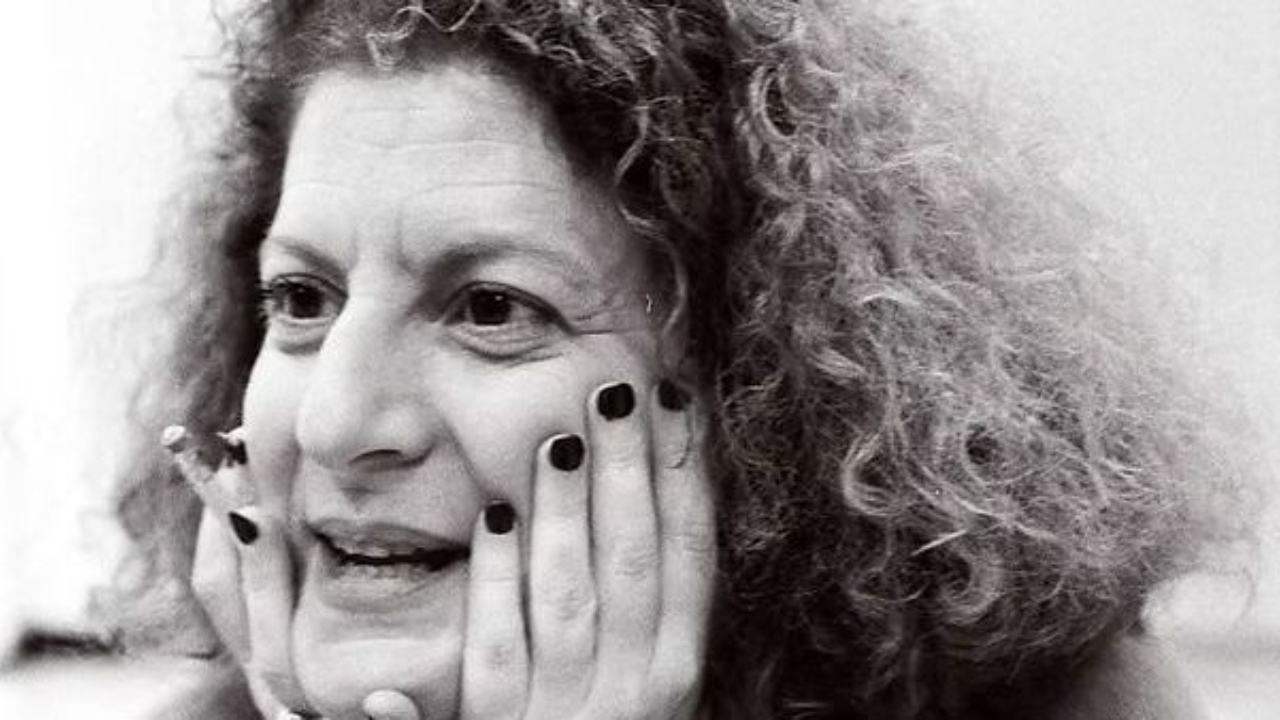
Alison Luterman
Alison Luterman was raised in Massachusetts, the oldest of four children, and moved to Oakland, California in 1990. Her poems have been published in The Sun, The Brooklyn Review, Slipstream, Tattoo Highway, and on the Library of Congress web site Poetry 180. Several of her poems have been featured as Poetry in Motion posters on buses and subway trains in the San Francisco Bay Area and in Portland, Oregon. She has also published many personal essays and feature articles and has written several plays.
She writes frequently about her neighborhood, social justice, personal relationships, urban wilderness, and the uses of art, especially poetry and theater.

Naomi Shihab Nye
Naomi Shihab Nye is an award-winning poet, editor, and teacher known for her work exploring cultural connection and shared humanity. Born to a Palestinian father and an American mother, she grew up in St. Louis, Jerusalem, and San Antonio, and has spent over four decades leading writing workshops around the world.
She is the author or editor of more than 30 books, including 19 Varieties of Gazelle, Everything Comes Next, and Grace Notes: Poems About Families. Her work spans poetry, fiction, and anthologies for both adults and young readers, earning honors such as the National Book Award finalist, four Pushcart Prizes, and the 2024 Wallace Stevens Award.
A former poetry editor for The Texas Observer and New York Times Magazine, Nye is Chancellor Emeritus of the Academy of American Poets and teaches creative writing at Texas State University.
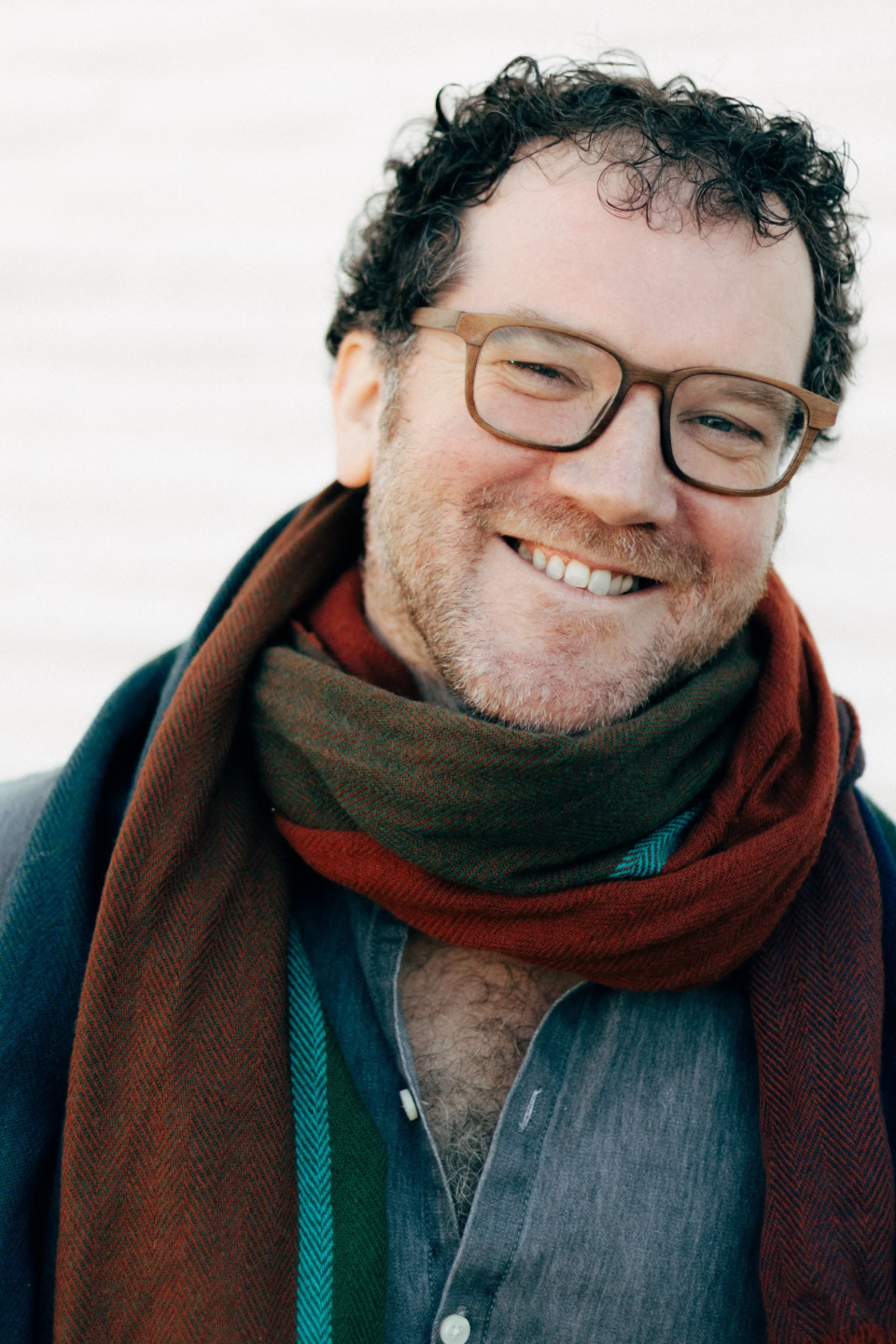
Pádraig Ó Tuama
Poet and theologian, Pádraig Ó Tuama’s work centres around themes of language, power, conflict and religion. Working fluently on the page and in public, he is a compelling poet and skilled speaker, teacher and group worker. He presents Poetry Unbound with On Being Studios. From 2014-2019 he was the leader of the Corrymeela Community, Ireland’s oldest peace and reconciliation community. With undergraduate and postgraduate degrees in theology, multiple professional qualifications in conflict mediation (specialising in groups), he also holds a PhD (Poetry & Theology) from the University of Glasgow. For the Autumn terms of 2024-28, he is a visiting scholar at the centre for Cooperation and Conflict Resolution at Columbia University.
When BBC journalist William Crawley introduced Pádraig on the stage to deliver a TEDx talk on Story, Crawley said, "He's probably the best public speaker I know." Profiling Ó Tuama in The New Yorker, journalist and poet Eliza Grizwold wrote “Poetry, for him, is the language the heart speaks not when it reaches for some externalized divinity but when it seeks to understand itself.”

January Gill O'Neal
January Gill O’Neil is a professor at Salem State University and the author of Glitter Road (2024), Rewilding (2018), Misery Islands (2014), and Underlife (2009), all published by CavanKerry Press. Glitter Road won the 2024 Poetry by the Sea Best Book Award and the Julia Ward Howe Prize, and is a finalist for multiple awards including the Massachusetts Book Award. Her work has appeared in The New York Times Magazine, Poetry, The Nation, and American Poetry Review. She served as executive director of the Massachusetts Poetry Festival (2012–2018) and was the 2019–2020 John and Renée Grisham Writer-in-Residence at the University of Mississippi. O’Neil chairs the AWP Board of Directors and teaches graduate poetry writing in the summer program at Middlebury College’s Bread Loaf School of English.
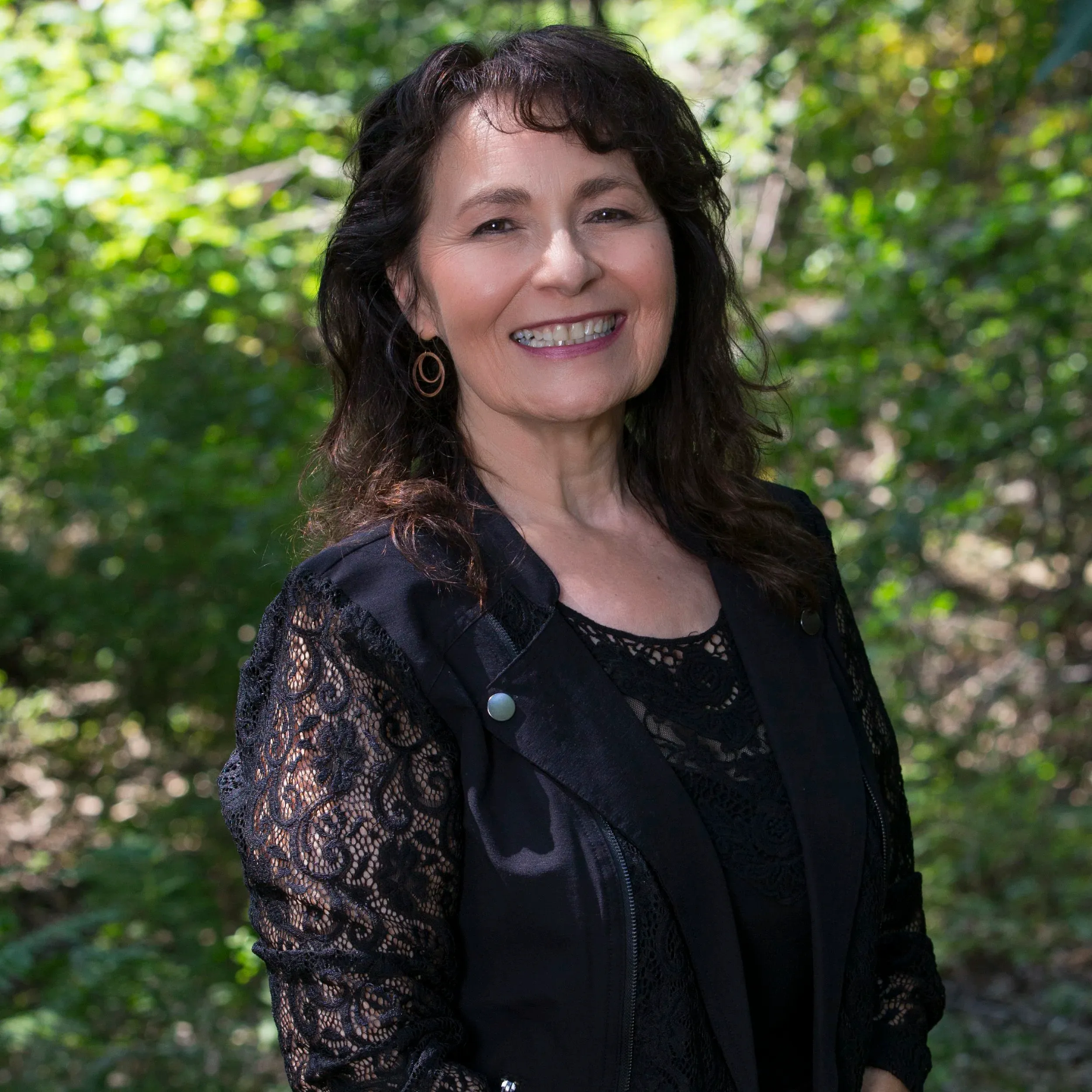
Kimberly Blaeser
Kimberly Blaeser, founding director of Indigenous Nations Poets and past Wisconsin Poet Laureate, is the author of works in several genres. Her six poetry collections include Ancient Light (2024), Résister en dansant/Ikwe-niimi: Dancing Resistance (2020), and Copper Yearning (2019). Blaeser edited Traces in Blood, Bone, and Stone: Contemporary Ojibwe Poetry, wrote the monograph Gerald Vizenor: Writing in the Oral Tradition on the work of fellow White Earth writer, and served as contributing editor for When the Light of the World Was Subdued, Our Songs Came Through: A Norton Anthology of Native Nations Poetry (2020). Her writing is included in over 100 anthologies and translated into multiple languages including French, Spanish, Italian, Arabic, Chinese, and Hungarian. Her photographs, picto-poems, and ekphrastic pieces have appeared in exhibits such as “Visualizing Sovereignty,” and “No More Stolen Sisters.”
An Anishinaabe activist and environmentalist, she is an enrolled member of White Earth Nation and grew up on the reservation. Blaeser’s honors include the 2025 Poets & Writers’ Writer for Writers Award, Zona Gale Short Fiction Award from the Council of Wisconsin Writers, and a Lifetime Achievement Award from Native Writers’ Circle of the Americas. She is a Professor Emerita at UW–Milwaukee and an MFA faculty member at Institute of American Indian Arts. Recent projects include the curation of a “Water Portfolio” for Prairie Schooner and an “Indigenous #LanguageBack through Poetry” project.

Vincent Rendoni
Vincent Antonio Rendoni is the author of the forthcoming poetry collection Dead Chicano Mixtape (Red Hen Press, 2027) and A Grito Contest in the Afterlife (Catamaran, 2022), winner of the Catamaran Poetry Prize for West Coast Poets as selected by Dorianne Laux. His work has appeared in AGNI, Prairie Schooner, Alaska Quarterly Review, Ninth Letter, Pleiades, Quarterly West, and december. Currently, he is a Seattle Arts and Lectures Writer in Residence at Garfield High School.

Joseph Millar
Joseph Millar's first collection of poems, Overtime, was a finalist for the 2001 Oregon Book Award. His second collection, Fortune, appeared in 2007, followed by a third, Blue Rust, in 2012. Kingdom was released in early 2017, and Dark Harvest, New & Selected Poems, was released in 2021. His latest collection, Shine, was published in October of 2024.
Millar grew up in Pennsylvania and attended Johns Hopkins University before spending 30 years in the San Francisco Bay area working at a variety of jobs, from telephone repairman to commercial fisherman. It would be two decades before he returned to poetry. His work—stark, clean, unsparing—records the narrative of a life fully lived among fathers, sons, brothers, daughters, weddings and divorce.
He has won fellowships from the Guggenheim Foundation and the National Endowment for the Arts, as well as a Pushcart Prize and has appeared in such magazines as DoubleTake, TriQuarterly, The Southern Review, APR, and Ploughshares. Millar teaches in Pacific University's low-residency MFA Program.
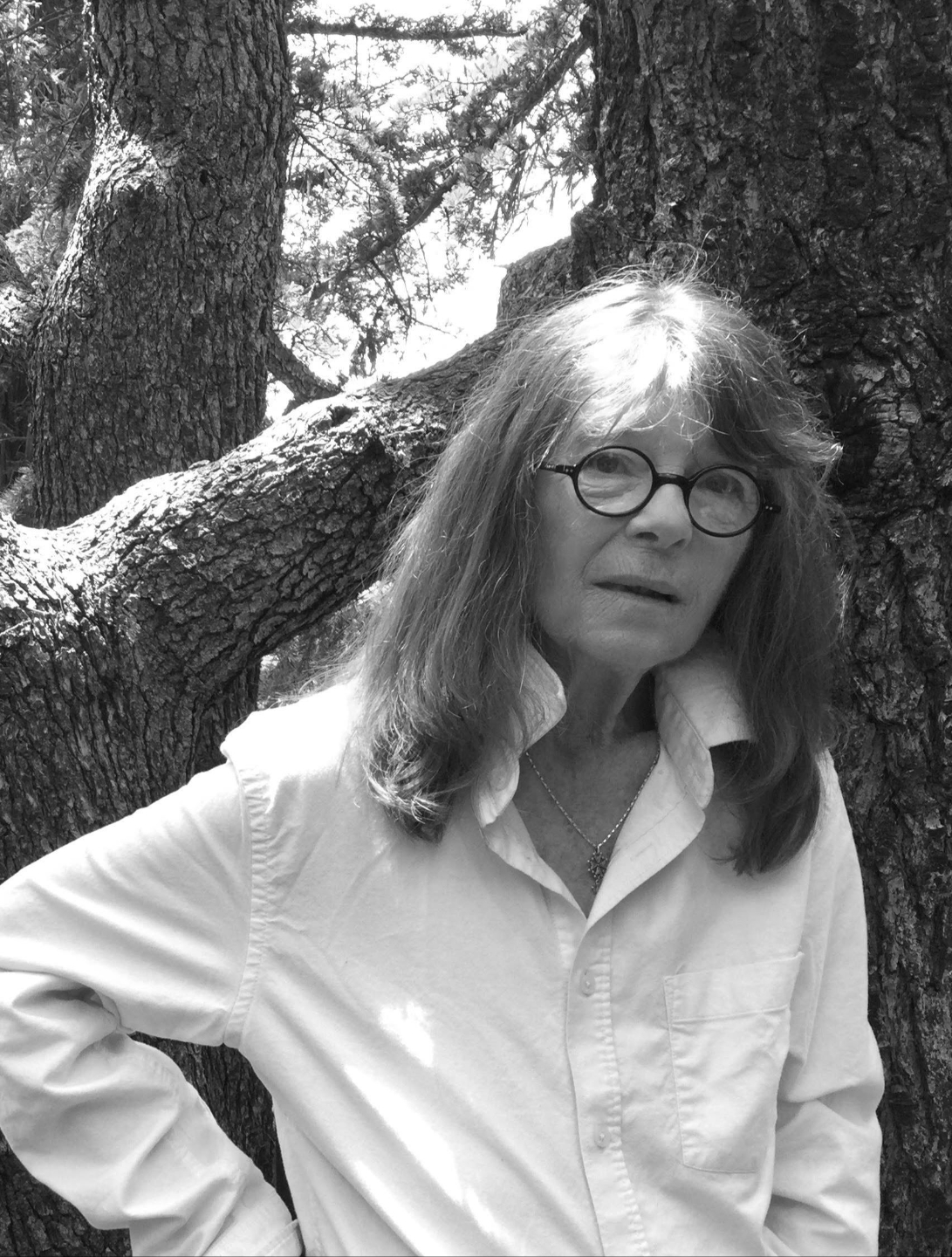
Dorianne Laux
Dorianne Laux’s sixth collection, Only As the Day is Long: New and Selected Poems was named a finalist for the 2020 Pulitzer Prize for Poetry. Her fifth collection, The Book of Men, was awarded The Paterson Prize. Her fourth book of poems, Facts About the Moon, won The Oregon Book Award and was short-listed for the Lenore Marshall Poetry Prize. Laux is also the author of Awake; What We Carry, a finalist for the National Book Critic’s Circle Award; Smoke; as well as a fine small press edition, The Book of Women. She is the co-author of the celebrated text The Poet's Companion: A Guide to the Pleasures of Writing Poetry. Her latest collection of poetry is Life On Earth and was released in January of 2024. Finger Exercises for Poets, a book of concise craft essays and exercises for poets was released in July 2024.
Keetje Kuipers
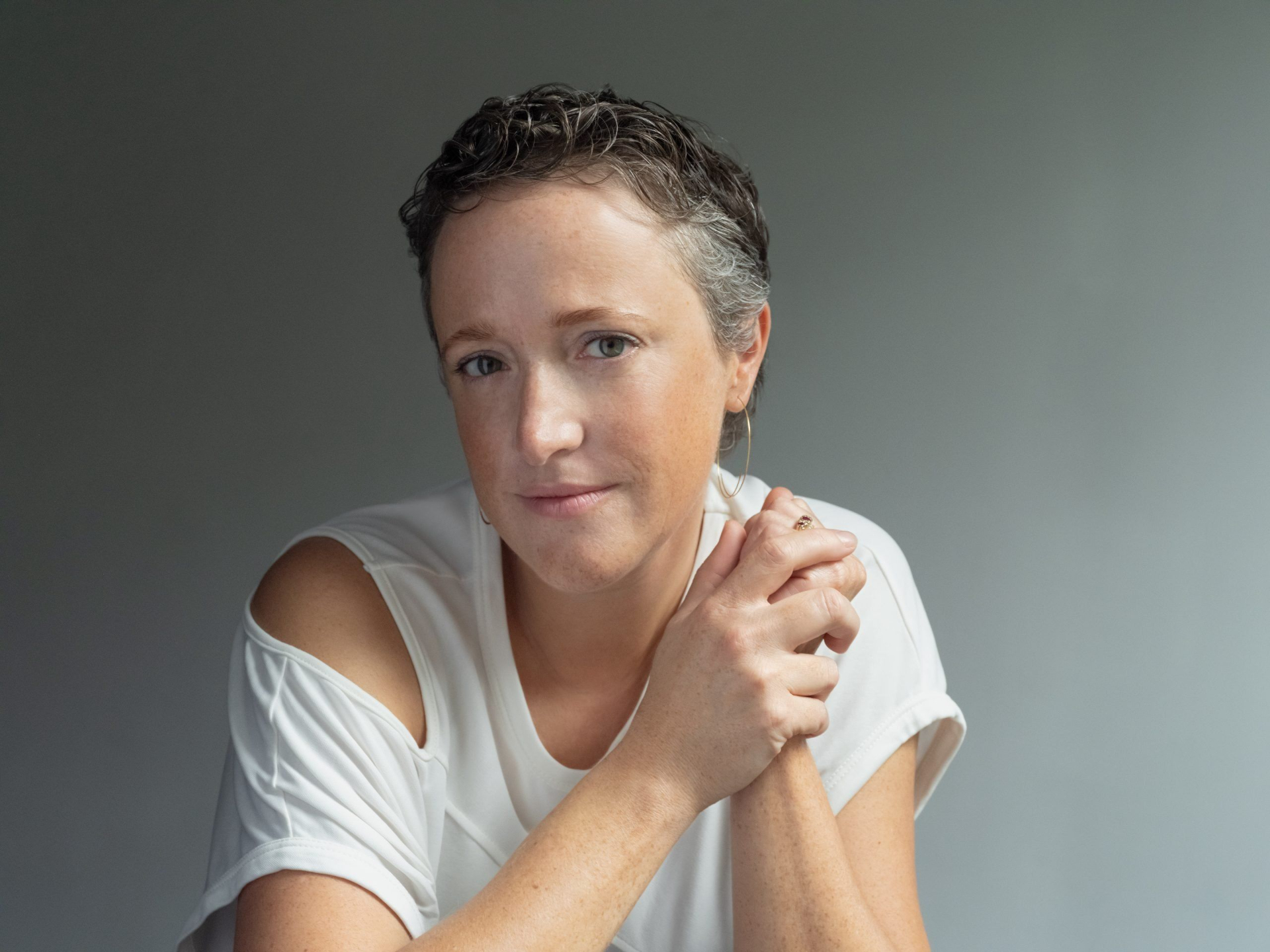
Keetje Kuipers is the author of four collections of poetry, all from BOA Editions: Lonely Women Make Good Lovers (2025), winner of the Isabella Gardner Award; All Its Charms (2019), which includes poems honored by publication in both the Pushcart Prize and Best American Poetry anthologies; The Keys to the Jail (2014); and Beautiful in the Mouth (2010), which was chosen by Thomas Lux as the winner of the A. Poulin, Jr. Poetry Prize. Her poetry and prose have appeared in American Poetry Review, New York Times Magazine, Yale Review, and Poetry, among others. Keetje has been a Wallace Stegner Fellow at Stanford University, an NEA Literature Fellow in Creative Writing, the Katharine Bakeless Nason Fellow in Poetry at Bread Loaf, the Emerging Writer Lecturer at Gettysburg College, and the recipient of multiple residency fellowships, including PEN Northwest’s Margery Davis Boyden Wilderness Writing Residency. Previously a VP on the board of the National Book Critics Circle, Keetje is currently Editor of Poetry Northwest, and teaches at universities and conferences around the world, including at the dual-language writers’ gathering Under the Volcano in Tepoztlán, Mexico. Her home is in Missoula, Montana, on the land of the Salish and Kalispel peoples and directly at the foot of the Rattlesnake Wilderness Area. She lives there with her wife and their two children, where she co-directs the Headwaters Reading Series for Health & Well-Being and keeps an eye out for bears in her backyard.

ire'ne lara silva
ire’ne lara silva (she/they) is the 2023 Texas State Poet Laureate and the author of the poetry collections the eaters of flowers (Saddle Road Press, 2024), FirstPoems: ani’mal, INDíGENA, and furia (FlowerSong Press, 2021), Cuicacalli//House of Song (Saddle Road Press, 2019), Blood Sugar Canto (Saddle Road Press, 2016), and furia (Mouthfeel Press, 2010). They are also the author of the chapbooks Hibiscus Tacos (Alabrava Press, 2021) and Enduring Azucares (Sibling Rivalry Press, 2015), and the short story collection flesh to bone (Aunt Lute Books, 2013), winner of the Premio Aztlán.
silva has received support from a 2021 Tasajillo Writers Grant and a 2017 NALAC Fund for the Arts Grant. They won the Alfredo Cisneros del Moral Award and the 2021 Texas Institute of Letters Shrake Award for best short nonfiction and were a fiction finalist for A Room of Her Own Foundation’s 2013 Gift of Freedom Award. She is currently a writer-at-large for Texas Highways magazine.
Michael Kleber-Diggs
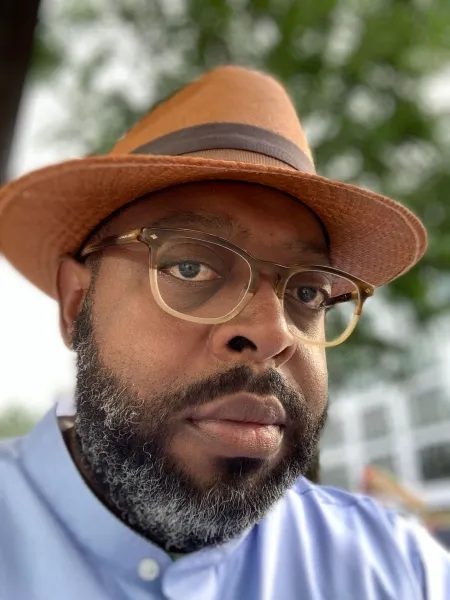
Michael Kleber-Diggs (KLEE-burr digs) is a poet, essayist, literary critic, and arts educator. He is the author of My Weight in Water, a memoir about his complicated relationship with lap swimming (forthcoming with Spiegel & Grau, 2026). Michael’s debut poetry collection, Wordly Things, won the Max Ritvo Poetry Prize and was published by Milkweed Editions in 2021. His poems and essays often explore themes of intimacy, community, empathy, and grace, practices he believes are simultaneously distinct and interdependent. Michael is a 2023-2025 Jerome Hill Artist Fellow in Literature, and he teaches creative writing at Augsburg University and through the Minnesota Prison Writing Workshop. Michael is married to Karen Kleber-Diggs, a tropical horticulturist and orchid specialist. Karen and Michael have a daughter, Elinor, who lives in New York City and works as a professional dancer.
Nickole Brown
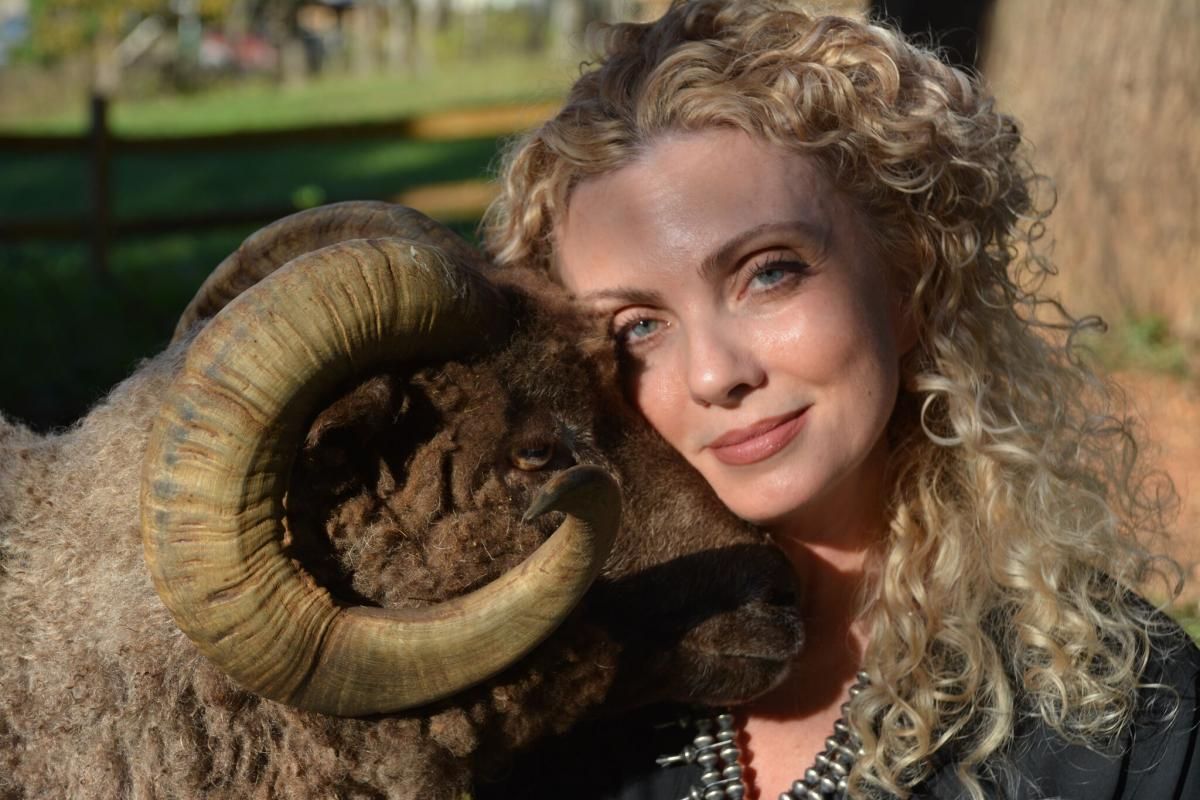
Nickole Brown is a poet whose work springs from her Southern roots and deep love for animals and the natural world. Raised in Kentucky, she now lives in Asheville, NC, where she volunteers at animal sanctuaries and writes poems that challenge traditional views of nature. Her books include Sister, Fanny Says, The Donkey Elegies, and To Those Who Were Our First Gods, winner of the 2018 Rattle Prize. A passionate teacher and literary collaborator, she co-founded the SunJune Literary Collaborative with poet Jessica Jacobs, and teaches at the Sewanee School of Letters. Currently, she’s the President of the Hellbender Gathering of Poets, an annual environmental literary festival set to launch in Black Mountain, NC, in October of 2026.
For more information about Nickole you can visit: https://www.nickolebrown.org/about-nickole
Monthly Live Events
This online monthly live events are included in your membership:
Field Notes is an intimate session featuring a guest poet in conversation with Danusha and reading of their work. These sessions offer the inspiration, craft, and stories that shape the poet's work.
Lit Lantern is a monthly session where Danusha takes a close look at the work of Litfield’s guest poet of the month. Participants are invited to read the guest’s work in advance, ask questions, and prepare for the upcoming conversation with the poet.
The Monthly Muse is a monthly generative writing gathering hosted by Danusha and Armando for writers seeking inspiration and creative momentum. Each host brings a poem, reflects on it briefly, and offers a writing prompt. Participants are invited to write in community. Armando also offers optional live improvised classical guitar during the writing time.
Litfield Live is Litfield’s monthly open mic, where members are invited to share original work, including poems, stories, fragments, and works in progress. Whether it is your first time reading or you regularly share your work, this is a supportive space to read aloud and listen to others in the community.
Fishbowl Feedback is a monthly open feedback session led by Danusha. A small number of participants sign up in advance to workshop poems with her, while the rest of the community is invited to attend and observe the feedback process.
Class Recordings
The Nine Lenses of Poetry
Are you an Innovator? A Soul Keeper?
There are so many ways to write poems. And so many kinds of poems to read.
Sometimes, it’s easy to think there's a right way to write, or a wrong way. Or just that we don't–––and can’t–– relate to certain types of poems.
What if there were a way to hold all the different styles without judgment, to see what a poem has to offer and what it offers the same way we might study an animal in its own biome?
This is a five session class, an hour each session.
Breaking the Line
Whatever happens in a poem, it's happening in the context of the line. Just as we have yards to measure distance, we have the line as a unit of measure in poetry. We want our lines to be engaging, to match the energy of our writing, and we want the reader to accept the invitation to enter our poem with curiosity and to stay engaged the whole way through. Line-making (and breaking) can be one of the more challenging choice points we navigate as we write poems.
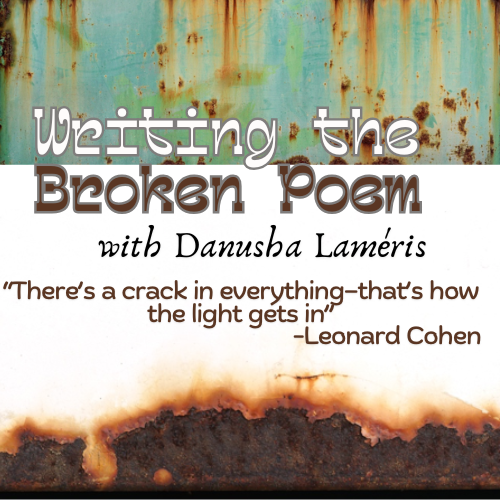
Writing the Broken Poem
There’s a crack in everything—that’s how the light gets in”
- Leonard Cohen
All things are broken and carry at their core a fissure, a rift. Everything has a fault. The best writing honors the scuffed imperfect world. We’ll explore how to write brokenness in ways that give our poems greater depth, texture, and even open a gateway to the sacred.
The reader is like a carpenter bee, looking for a way into the siding of the poem. Where is the crack to get in? Where is an opening? There are many ways to offer an entrance by “breaking” our writing: The lines, the images, the syntax, the thinking, and more. I’ll give a series of five craft talks exploring each of the arenas in which we can invite brokenness into our poems.
Small Worlds, Infinite Universe
As poets, sometimes it’s overwhelming to know where to begin. In this workshop, we’ll start with the lens of scale. Depending on how you look at it, the page itself can seem immense or small. Our subject matter can be a pebble, or an entire landscape. A story that unfolds in the world of an ant, or that crosses whole galaxies. We will practice using the lens of proportion and scale to write our poems, describing the most minute details, and then arcing out into immensity. My hope is that you––and all of us!––will write things that will change the way we see. Seeing deeply is one way we can love the world, even when that looking reveals what is unlovely or difficult. We will find beauty in the broken and the wholeness of the whole.
Prepare to attune your senses to wonder!
This is a five session class, an hour each session.
Temporary Kingdoms
All worlds come to an end. The worlds of childhood, the brand-new love affair, the world of once-was. Who we used to be. Where we used to live. The dream that never came to be. Poems are one of the ways we capture what is (or was/ or could be), press it to the page for safe-keeping.
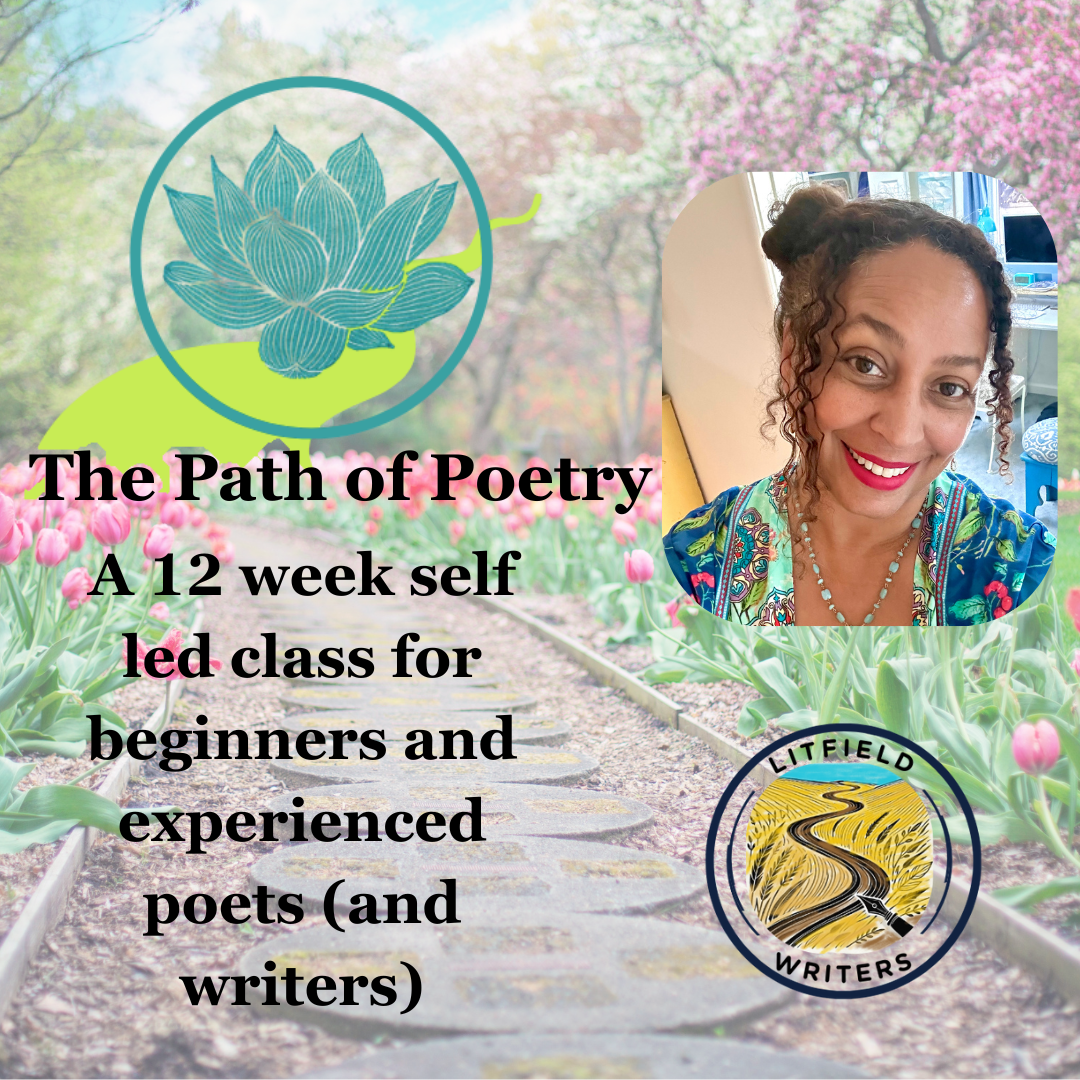
The Path of Poetry
This is a 12-session journey into writing as a practice of self-discovery. Taught by Danusha Laméris, the course blends her personal philosophy of poetry — as something we live, not just write — with grounded lessons in craft. There are sessions on deep reading, editing, and how to talk yourself into writing on the days it feels hard. Whether you’re just starting out or finding your way back, this is an invitation to walk the poet’s path with curiosity, courage, and a sense of wonder.